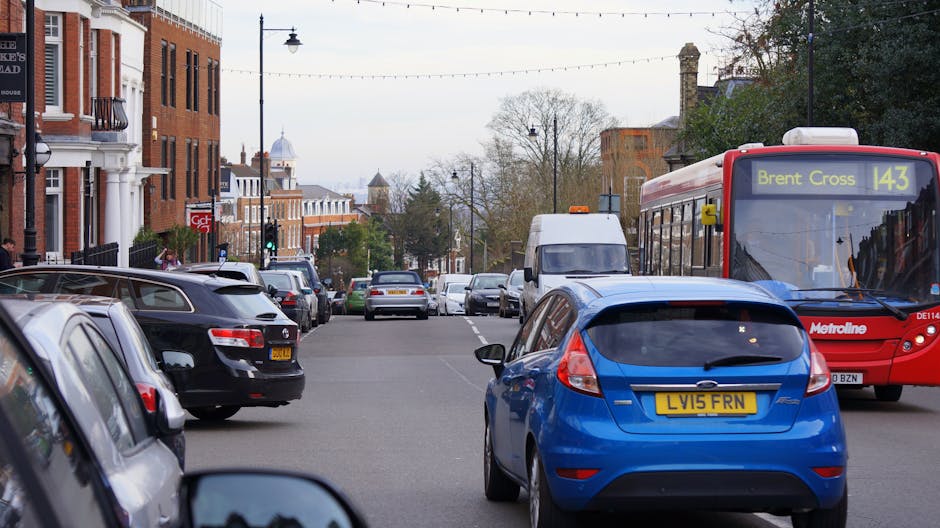
Avoiding Heavy-Traffic Moves on Leyton High Road (Cann Hall)
Leyton High Road can be a lively, useful route for everyday life in Cann Hall, but on moving day it can also become a headache. Buses, delivery vans, school runs, parked cars, crossing pedestrians, and the usual London stop-start rhythm can turn a straightforward relocation into a slow, stressful shuffle. If you are avoiding heavy-traffic moves on Leyton High Road (Cann Hall), the goal is simple: keep the move calm, keep the van moving, and keep your belongings safe.
That sounds obvious, but in practice it takes planning. The best moves on busy roads are not the fastest-looking ones; they are the ones that are timed well, packed properly, and handled with a bit of local know-how. In this guide, you will find practical ways to reduce delays, protect fragile items, and choose the right moving method for a congested stretch of road. No fluff. Just the sort of advice that helps when the street is already noisy at 8:15 in the morning and you are trying to get a sofa through a narrow doorway without causing a scene.
Table of Contents
- Why Avoiding heavy-traffic moves on Leyton High Road (Cann Hall) Matters
- How Avoiding heavy-traffic moves on Leyton High Road (Cann Hall) Works
- Key Benefits and Practical Advantages
- Who This Is For and When It Makes Sense
- Step-by-Step Guidance
- Expert Tips for Better Results
- Common Mistakes to Avoid
- Tools, Resources and Recommendations
- Law, Compliance, Standards, or Best Practice
- Options, Methods, or Comparison Table
- Case Study or Real-World Example
- Practical Checklist
- Conclusion
- Frequently Asked Questions
Why Avoiding Heavy-Traffic Moves on Leyton High Road (Cann Hall) Matters
Moving through a busy high street is not just about traffic jams. It affects timing, loading safety, parking stress, neighbour relations, and even the condition of your furniture. On a road like Leyton High Road, every extra minute spent waiting can create a small chain reaction: boxes sitting on the pavement, doors left open, batteries draining in a phone that is being used for directions, and a growing sense that the day has already got away from you.
Heavy traffic matters because removals are a logistics job as much as a lifting job. A good move depends on a clean sequence: park, unload, carry, reload, and leave. Interruptions make that sequence messy. A missed slot for loading can mean a longer walk with heavy items. A longer walk means more handling. More handling means more risk. Simple, really.
There is also a local reality to consider. Cann Hall sits within a busy east London pattern of residential streets feeding into busier main roads. That means your moving plan needs to take into account not just the distance between addresses, but how the road behaves at certain times of day. To be fair, this is where a lot of stress is saved or lost. Not by brute force, but by timing.
If your move includes delicate furniture, bulky items, or a tight staircase at either end, avoiding peak congestion can be the difference between a tidy job and a long afternoon of sideways shuffling. For those moving larger household items, it can also be worth looking at furniture removals in Cann Hall and broader removal services in Cann Hall that are built around practical route planning.
How Avoiding Heavy-Traffic Moves on Leyton High Road (Cann Hall) Works
The basic idea is to reduce friction before the van even arrives. That means choosing a sensible moving window, preparing the property so loading is quick, and making sure every item is ready to go the moment the route is clear. In a busy area, speed comes from preparation, not rushing. There is a difference.
Here is how the process usually works in practice:
- Choose a quieter time window. Early morning, mid-morning, or off-peak periods are often easier than school-run or late afternoon traffic.
- Plan the van's stop point carefully. The closer the vehicle can legally and safely get, the less time is lost carrying items.
- Pre-pack by priority. Heavy and awkward items should be identified in advance, so the loading order is logical.
- Reduce walking distance. Clear hallways, doors, and any clutter around exits before the van arrives.
- Load in a controlled sequence. Big, stable items first; fragile and loose items protected and placed where they cannot shift.
What catches people out is assuming that traffic is only a driving problem. It is also a carrying problem, a parking problem, and a timing problem. If a van has to circle the block or sit waiting because the frontage is blocked, everything gets slower. That is why many households use a more flexible approach, such as a man and van service in Cann Hall or a dedicated removal van in Cann Hall, depending on volume and access.
There is a nice little truth in all this: the calmer the plan, the less the road matters. Not completely, obviously. It is still London. But a calm plan makes busy traffic feel less bossy.
Key Benefits and Practical Advantages
When you avoid heavy traffic on Leyton High Road, you are not just saving time. You are improving the entire shape of the move.
| Benefit | What it Means in Real Life | Why It Matters |
|---|---|---|
| Less waiting time | The van can load and leave without unnecessary pauses | Reduces stress and helps keep the day on schedule |
| Safer handling | Fewer rushed lifts and fewer awkward carries through traffic | Helps protect people and possessions |
| Lower risk of damage | Items are moved more deliberately, with less stop-start handling | Useful for furniture, appliances, mirrors, and electronics |
| Better neighbour experience | Less pavement congestion and fewer interruptions outside the property | Important in flats, terraces, and tightly parked streets |
| More predictable costs | Less delay can mean fewer labour hours and less vehicle downtime | Helps with budget control, especially on larger moves |
One often overlooked benefit is mental bandwidth. Once the road plan is sorted, you stop worrying about the road and start focusing on the move itself. That shift matters more than people realise. It frees you up to check labels, protect flooring, and make sensible decisions instead of reactive ones.
If your move involves a lot of household goods, good packing discipline helps the traffic plan work properly. Our guide to packing techniques for a trouble-free house move is a useful companion read.
Who This Is For and When It Makes Sense
This approach is useful for almost anyone moving near or along Leyton High Road, but it is especially valuable in a few common situations.
- Flat moves with limited access. If you are moving from an upper-floor flat, every lost minute matters because the carrying route is already demanding.
- Families moving household furniture. Sofas, beds, wardrobes, and kitchen items are not things you want to haul while traffic builds outside.
- Students with tight deadlines. If you need a practical, efficient option around term dates, a student removals service in Cann Hall may suit the pace better than doing everything by car.
- Office or small business relocations. Delays during trading hours can be awkward, especially if staff or equipment need to be moved with minimal disruption.
- Same-day or short-notice moves. If timing is already tight, you cannot afford extra congestion. In those cases, same-day removals in Cann Hall can be a practical fallback.
It also makes sense if you are moving anything awkward or high-value. A piano, for example, is not something you want waiting on the pavement while traffic crawls past. For those jobs, specialist help is often the sensible choice, and the local page for piano removals in Cann Hall explains why.
Truth be told, if your move is small and your timing is flexible, you may not need a highly structured plan. But once you are dealing with traffic, shared access, or valuable items, the case for planning gets much stronger.
Step-by-Step Guidance
Here is a practical way to organise the move so traffic has less room to interfere.
- Check the traffic pattern for your moving date. Look at the likely busy periods around Leyton High Road and think about school runs, deliveries, and commute times.
- Pick the most realistic time slot. The best slot is not always the earliest; it is the one that matches your access, your building rules, and your energy levels.
- Confirm parking and loading options. If the van cannot stop close enough, your move gets harder immediately. Make sure there is a workable plan for the vehicle.
- Prepare the property first. Disassemble what you can, label boxes, and clear corridors. A tidy exit path saves time and makes movement safer.
- Sort items by size and fragility. Put heavy items near the front of the loading plan and fragile items into protected, marked boxes.
- Use proper lifting methods. Bend at the knees, keep the load close, and avoid twisting under pressure. Our article on kinetic lifting principles explains this in plain English.
- Load strategically. Heavy items first, then stable boxes, then lighter and fragile items. Fill gaps carefully so nothing shifts in transit.
- Leave buffer time. A short delay can happen, especially in London. A small cushion in the plan stops one hiccup becoming a full-on scramble.
A useful clarification: "avoiding traffic" does not always mean changing the route. Often it means changing the timing, the loading method, or the vehicle choice. In other words, you can still move via Leyton High Road and have a smooth day if the schedule is built properly.
If you want to see how all the moving parts fit together, the moving checklist for Cann Hall Road flats in Leyton E10 is worth a look before you finalise your plan.
Expert Tips for Better Results
These are the small things that tend to make the biggest difference. Not glamorous, but useful. Very useful.
- Pack the van in the order you will need things. Essentials should not disappear behind bulky furniture if you expect to unload them first.
- Protect corners and edges before moving day. On a busy street, you are more likely to brush past walls, railings, or door frames.
- Keep a "first hour" box. Kettle, mugs, charger, toiletries, basic tools. If traffic delays the day a bit, this box stops the evening feeling chaotic.
- Use the right equipment. A trolley, straps, blankets, and gloves can save a surprising amount of effort. They also reduce the temptation to rush.
- Move less, not faster. Smaller loads are often safer than trying to be a hero with one overstuffed lift. Nobody wins that game, honestly.
If your move includes large furniture, you may find practical value in reading about moving your bed and mattress safely and keeping your sofa in good condition during storage. Those details matter when traffic delays create more handling and waiting time.
Here is a small real-world observation: the jobs that feel easiest at the end are usually the ones where the homeowner did the unglamorous prep the night before. Shoes by the door. Boxes stacked by room. Keys in one place. It all adds up.
Common Mistakes to Avoid
Busy roads reveal weak planning very quickly. These are the mistakes that cause the most trouble.
- Booking the move at the wrong time. Peak traffic can turn a manageable task into a long wait outside the property.
- Underestimating loading time. People often assume the van part is quick and the packing part is secondary. In reality, loading is half the job.
- Not measuring bulky items. If a sofa or wardrobe needs to be angled through a tight entrance, you should know that before the van arrives.
- Ignoring access restrictions. Shared entrances, narrow driveways, or controlled parking can all change the plan.
- Leaving too much to the last minute. Last-minute packing is where labels disappear, screws vanish, and stress arrives early.
- Choosing the cheapest option without checking suitability. A bargain can turn expensive if it does not fit the access, timing, or item type.
Another common slip is trying to lift too much because "we just want to get it over with." That mindset is understandable, but it is where backs get strained and furniture gets nicked. If you need a refresher, the guide on lifting heavy objects safely is a sensible read before moving day.
And yes, people do forget to check whether the route is actually clear enough for a van. Happens all the time. Then everyone is standing there, looking at a parked car and sighing in unison.
Tools, Resources and Recommendations
You do not need a warehouse full of equipment, but a few well-chosen tools make heavy-traffic moves much smoother.
- Removal blankets and wraps for protecting furniture during longer waiting periods and tighter carrying routes.
- Strong boxes and packing tape to keep contents secure if the schedule gets interrupted.
- Furniture dolly or sack truck for heavier items, especially if the van cannot stop directly outside the door.
- Label maker or marker pens so boxes are easy to identify when you are unloading under time pressure.
- Phone charger or power bank because navigation, calls, and access updates drain battery faster than people expect.
For many readers, the most useful resource is a service that matches the scale of the move. If you are moving a flat, see flat removals in Cann Hall. If the move is for a larger home, house removals in Cann Hall may be a better fit. And if you only need transport plus a pair of careful hands, a man with a van in Cann Hall is often the simplest solution.
For broader planning, the services overview is helpful if you are comparing different removal options. It is a good place to sanity-check what you actually need rather than guessing and hoping for the best.
Law, Compliance, Standards, or Best Practice
Moving on or near a busy road in London is usually less about formal legal complexity and more about working carefully within ordinary transport, parking, and safety expectations. Still, there are a few best-practice points worth keeping in mind.
- Park only where it is lawful and safe. Do not assume a quick stop will be fine just because the loading is short.
- Keep pavements and entrances clear where possible. This is especially important in shared residential areas where pedestrians, neighbours, and delivery drivers are still trying to move through.
- Use safe manual handling methods. UK moving work should follow sensible lifting practice and risk awareness. That means planning the load, using equipment, and not forcing awkward lifts.
- Check insurance and liability terms. If a moving company is handling your belongings, it is wise to understand what is covered and what is not. The page on insurance and safety is useful for this.
- Read booking terms carefully. Especially for timing, access, cancellations, or waiting-time arrangements. The fine print is boring, yes, but it matters.
For trust and transparency, you may also want to review terms and conditions, payment and security, and the health and safety policy before confirming any booking. If you are comparing providers, the page on removal companies in Cann Hall can also help you think through what to ask.
One practical note: if you are moving from a building with shared access or tight frontage, good communication with neighbours or building management can help more than people expect. A heads-up, a clear time window, and a calm tone often prevent the kind of friction that slows the whole morning down.
Options, Methods, or Comparison Table
Different moves need different solutions. The best option depends on how much you are moving, how busy the road is, and how much access you have.
| Option | Best For | Strengths | Watch Outs |
|---|---|---|---|
| DIY with a hired van | Small, flexible moves | Budget-friendly, simple for short distances | You handle parking, lifting, timing, and route stress |
| Man and van | Medium moves, mixed furniture, quick turns | More support without a large crew | May need careful planning around peak traffic |
| Flat removals | Upper-floor homes, apartment moves | Better suited to stairs, access, and urban loading | Needs clear timing and strong communication |
| Full house removals | Larger household relocations | More structured and less physically demanding for you | Requires more scheduling and item coordination |
| Same-day removals | Urgent moves | Fast response when plans change | Less flexibility, so preparation still matters |
If you are moving near a busy stretch like Leyton High Road, the safest choice is usually the one that reduces time spent waiting and lifting. That may sound dull, but it is the truth. The move itself is rarely the problem; it is everything around the move.
Case Study or Real-World Example
Imagine a two-bedroom flat move from Cann Hall onto a side street close to Leyton High Road. The original plan is to load at 9:00 a.m. on a weekday, because that feels neat and tidy. In practice, by 9:00 the road is already busy with buses, trades vans, and commuters. The van arrives, but the frontage is awkward. A parked car narrows the stop point. Loading starts, stops, starts again. Someone has to carry a wardrobe further than expected. The whole process becomes a series of interruptions.
Now compare that with a quieter start time and a proper prep routine. Boxes are labelled the night before. The bed is already dismantled. The route from the front door is clear. The van parks as close as safely possible. Heavy items go on first. The second person knows which box contains the kettle and bedding. The difference is not magical. It is just organised.
A small detail often saves the day: leaving a clear space by the exit for the first load. That little gap stops people from stepping over each other with boxes while traffic builds outside. It feels like nothing. It is not nothing.
This is where good planning links with practical handling. If you have fragile furniture, the article on bed and mattress moving and the guidance on smart cleaning techniques for moving out can help you avoid the usual end-of-move rush.
Practical Checklist
Use this checklist before the van arrives. It is simple, but it catches a lot of the small things people otherwise forget.
- Choose a moving time that avoids known busy periods where possible
- Confirm parking and access for the van
- Measure awkward furniture and doorways
- Disassemble large items in advance
- Label boxes by room and priority
- Pack a first-night essentials box
- Protect corners, mirrors, screens, and polished surfaces
- Keep pathways clear inside the property
- Have chargers, keys, and paperwork in one place
- Review insurance, terms, and payment details before moving day
- Check whether you need specialist help for heavy or valuable items
If you are dealing with storage as part of a staggered move, storage in Cann Hall can be helpful for spacing the move out sensibly rather than cramming everything into one stressful day.
Conclusion
Avoiding heavy-traffic moves on Leyton High Road (Cann Hall) is really about making the whole process easier on yourself. When you plan around the road, not against it, the move becomes more predictable, more efficient, and a lot less tiring. You do not need to overcomplicate it. Just think ahead, prepare properly, and choose a moving approach that suits the street as well as the property.
Whether you are moving a single flat, a family home, or a few awkward pieces of furniture, the same principle holds: less rushing, less congestion, less risk. That is what makes the difference on a busy London road. And once the van pulls away and the last box is through the door, you will be glad you took the slower, smarter route.
Get a free quote today and see how much you can save.
For a move that feels more manageable from the first box to the last, choose a plan that respects the road, respects your time, and leaves you with a calmer finish.
Frequently Asked Questions
What is the best time to move on Leyton High Road if I want to avoid traffic?
Quieter windows are usually earlier in the day or away from typical commute and school-run periods. The best time depends on your access, parking, and how far the items need to be carried, so it is worth checking the route on the day too.
Does avoiding heavy traffic actually make a big difference to a house move?
Yes, because moving is affected by waiting time, parking position, and how far you need to carry items. Even a short delay can create extra lifting and more stress, especially if you are moving bulky furniture.
Should I choose a man and van or a full removals service for a busy road move?
It depends on the size of the move. A man and van in Cann Hall can suit smaller or medium moves, while a full house removal is better for larger households or when you want more structured support.
How do I know if my furniture will fit through the entrance or stairway?
Measure the widest parts of the item and compare them with the narrowest points on the route, including door frames, bends, and stair turns. If the item is awkward or expensive, ask the mover to assess it before moving day.
What should I do if parking near my property is limited?
Plan this early. Limited parking is one of the biggest causes of delay on busy roads. If needed, speak to neighbours or property management, and make sure the mover understands the access limits before the booking is confirmed.
Are same-day removals a good option for a traffic-heavy area?
They can be, especially when a plan changes suddenly. The key is to keep the move simple and organised. For urgent jobs, same-day removals in Cann Hall can be a practical solution if timing is tight.
What items need special care on a move through busy streets?
Pianos, mirrors, large TVs, glass tables, and mattresses all need extra care. Heavy traffic can increase waiting and handling, so it helps to protect these items properly and use the right lifting method. Specialist services are sensible for very awkward loads.
Can I reduce traffic problems just by changing the route?
Sometimes, but timing often matters more than route choice in inner London. A different route can help, yet a quieter loading window usually makes the bigger difference because it improves access and reduces street congestion at the property.
What packing mistakes make traffic-related moves worse?
Loose boxes, poor labelling, overfilled cartons, and unprotected furniture all slow the loading process. Good packing makes it easier to work quickly and safely, which matters even more when the street outside is busy.
How far in advance should I arrange a move near Leyton High Road?
As early as you can, ideally once your moving date is likely rather than final-day panic mode. Early booking gives you more flexibility with timing, vehicle choice, and any access concerns that need sorting out.
Is it worth using storage if I cannot move everything in one go?
Yes, especially if traffic, access, or timing make a single-day move too rushed. Storage can split the move into smaller, calmer stages and reduce the pressure of loading everything at once. That can be a real relief, actually.
Where can I find more help with planning and preparation?
You can explore local guides on packing, lifting, decluttering, and move-out cleaning, including decluttering before moving and relocating without stressful hassles. They are useful if you want the whole move to feel less rushed and more under control.