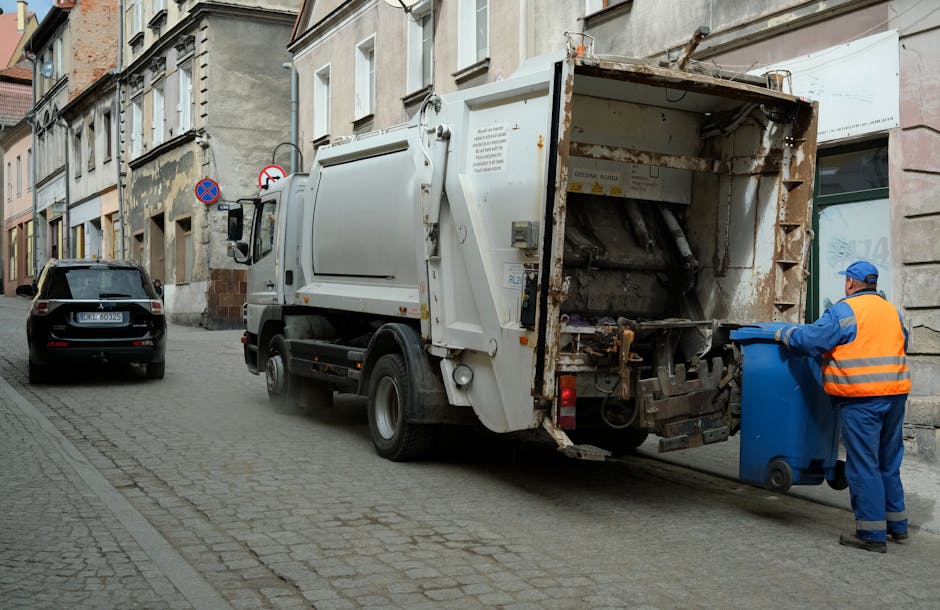
Bulky waste removal in Cann Hall: costs & council pickup
If you've got an old sofa blocking the hallway, a broken wardrobe in the spare room, or a mattress that simply will not fit down the stairs, you're not alone. Bulky waste removal in Cann Hall: costs & council pickup is one of those everyday problems that looks simple until you actually have to solve it. Then the questions start: should you book the council, hire a private collection, or try to break everything down yourself?
This guide walks through the practical side of it all. We'll look at how bulky waste collections usually work in London, what affects the price, when a council pickup may be the most straightforward choice, and where private services can make life easier. There's no fluff here. Just the useful bits, plus a few real-world tips that save time, stress, and maybe a bit of money too.
Truth be told, most people only deal with bulky waste once in a while, so it's easy to miss the small details. A missed booking window, the wrong item placed out, or a surprise access issue can turn a quick job into a headache. Let's make it simpler.
Table of Contents
- Why Bulky waste removal in Cann Hall: costs & council pickup Matters
- How Bulky waste removal in Cann Hall: costs & council pickup Works
- Key Benefits and Practical Advantages
- Who This Is For and When It Makes Sense
- Step-by-Step Guidance
- Expert Tips for Better Results
- Common Mistakes to Avoid
- Tools, Resources and Recommendations
- Law, Compliance, Standards, or Best Practice
- Options, Methods, or Comparison Table
- Case Study or Real-World Example
- Practical Checklist
- Conclusion
- Frequently Asked Questions
Why Bulky waste removal in Cann Hall: costs & council pickup Matters
Bulky waste is one of those things that quietly gets in the way of daily life. A single bulky item can make a room feel cluttered. Three or four can stop you using the space properly at all. And if you're moving house, clearing a rental, or helping a relative sort a home, the pressure ramps up quickly.
In Cann Hall, as in other parts of East London, space is valuable. Homes can be compact, stairwells narrow, and parking awkward. That makes bulky item disposal less about "getting rid of stuff" and more about choosing a method that fits your access, your timing, and your budget. A council pickup may suit some jobs perfectly. A private collection may be easier for others, especially if you need flexible timing, heavy lifting, or mixed loads taken away in one go.
There's also a waste hierarchy angle to this. The best outcome isn't always the cheapest pickup. Sometimes it's reusing, donating, or separating items so only the true waste is collected. That can reduce costs and keep usable goods out of landfill. If you're already planning wider clear-out work, it can help to look at related services such as house clearance or even a more tailored rubbish removal option when the job is bigger than a single sofa or mattress.
Expert summary: The smartest bulky waste plan is usually the one that matches the item, access, urgency, and disposal responsibility - not just the one with the lowest headline price.
And yes, the details matter. A collection can be straightforward on paper and still go wrong if you underestimate the weight, forget to measure a wardrobe, or assume someone will carry everything from the top floor. Small stuff. Big impact.
How Bulky waste removal in Cann Hall: costs & council pickup Works
There are usually two main routes: a council bulky waste collection or a private removal service. Both can work well, but they operate differently.
Council pickup is generally designed for household bulky items that are too large for normal bin collections. You book a slot, place the approved items out as instructed, and the council arranges collection. The process is usually best for straightforward jobs: one or two standard items, no urgent deadline, and no complicated access.
Private bulky waste removal is more flexible. A team can usually collect from inside the property, handle awkward lifting, and remove mixed items in one visit. This can be very helpful if the waste is in a flat, up several flights of stairs, or spread across multiple rooms. It can also be a better fit if you need same-day or next-day availability.
Costs vary because the job itself varies. A couple of lightweight items collected from the front of a property will cost less than a load of heavy furniture from an upper-floor flat with no lift. Pricing is often influenced by:
- the number of items
- their size and weight
- how easy they are to access
- whether lifting or dismantling is needed
- the disposal route required for the waste
- how quickly you need the collection
To be fair, the access issue is often the hidden one. A wardrobe that sounds easy can turn into a two-person job if it has to be carried through a tight landing at an awkward angle. Anyone who has tried to pivot a sofa around a narrow hallway will know the feeling. Slightly comic in hindsight. Less funny when it's blocking the front room.
If you want the collection to go smoothly, the booking stage matters a lot. Good services will ask for photos, item dimensions, access notes, and whether anything needs dismantling. That's not bureaucracy for the sake of it. It helps set a realistic price and avoids those nasty "oh, actually..." moments on the day.
Key Benefits and Practical Advantages
Choosing the right bulky waste solution is not just about disposal. It can also reduce hassle, prevent delays, and avoid accidental damage to your property.
- Saves time: You avoid multiple car trips, loading problems, and sorting what can and can't go in the regular bin.
- Reduces physical effort: Heavy lifting is not everyone's idea of a good afternoon, especially with mattresses, wardrobes, or white goods.
- Improves safety: Large items can be awkward, sharp, or unstable. A proper collection lowers the risk of injury or property damage.
- Helps with space management: Clearing bulky items can make a room usable again very quickly.
- Supports a cleaner disposal route: Properly handled collections help ensure items are reused, recycled, or disposed of in line with accepted practice.
A less obvious benefit is peace of mind. Once the item is gone, the mental noise drops too. That corner of the bedroom stops being a problem you keep walking around. Small win, but it counts.
If you are clearing more than one item, it may make sense to compare bulky waste with other support services such as office clearance for commercial furniture or garden clearance if outdoor waste has piled up alongside old household items.
Who This Is For and When It Makes Sense
Bulky waste removal in Cann Hall is useful for a wide range of people. Some situations are obvious. Others creep up on you.
It makes sense if you are:
- moving out of a flat or house and need furniture removed quickly
- replacing a bed, sofa, or wardrobe and want the old one taken away
- dealing with landlord or tenant end-of-tenancy clearance
- supporting an older relative who needs help decluttering safely
- clearing a room for renovation, decorating, or a new occupant
- sorting out an item that is too large for normal bin collections
It also makes sense if your schedule is tight. Council pickups are useful, but they may not always align neatly with the exact day you need the space cleared. If you've got a delivery arriving, a cleaner booked, or a move-out inspection coming up, timing becomes the key factor.
One thing people often underestimate: a "single item" can still be a significant job if it's heavy, damaged, or stored in a difficult place. A broken chest of drawers may seem minor, but if it has to come down a narrow staircase with loose panels and snagging corners, the job is suddenly much more involved.
Step-by-Step Guidance
If you want to handle bulky waste without wasting time or money, a simple process helps. Here's a practical way to do it.
- List everything you want removed. Be specific. "Old furniture" is too broad. Write down sofa, mattress, desk, wardrobe, etc.
- Measure the largest items. Length, width, and approximate weight if you know it. This matters more than most people expect.
- Check access. Stairs, lifts, narrow halls, parking restrictions, and whether items are on the ground floor all affect the job.
- Decide what can be reused or dismantled. If a bed frame can be broken down, collection can be easier. If a wardrobe has mirrors or glass, mention it.
- Compare council and private options. Think about timing, item type, and how much effort you want to spend managing the job.
- Get a clear quote or booking confirmation. Make sure the price basis is clear before the collection date.
- Prepare the items safely. Move them to the agreed location if required, and keep pathways clear.
- Take a quick final check. Make sure small fittings, drawers, and loose screws are not left behind by accident.
If you're using a council collection, follow the booking instructions carefully. If you're booking a private service, send photos if asked. They can save a lot of back-and-forth. Honestly, a few decent pictures can be worth more than a long email.
A useful habit: keep a separate "maybe" pile for items you might donate, sell, or recycle. That way, you do not pay to remove something that still has value.
Expert Tips for Better Results
The best bulky waste jobs are the ones that are planned with a little bit of realism. Here are some tips that make a genuine difference.
- Measure twice, book once. Guessing the size of a sofa is risky. Measure it properly, especially if it needs to pass through tight corridors.
- Photograph awkward items. Damage, build quality, and access issues are easier to explain with a picture than with a vague description.
- Separate hazardous or restricted waste early. Paint, chemicals, batteries, gas cylinders, and some electricals need special handling and should not be mixed with standard bulky items.
- Ask about dismantling. Some collections include it, some do not. A few screws can turn a bulky item into a manageable one.
- Think about timing around the street scene. In busy residential areas, leaving items out too early can be untidy and may attract complaints or weather damage.
- Bundle related clear-out tasks. If you already have a collection booked, it can be more efficient to include additional waste from the same room or area.
There's also the "don't make it worse" rule. Sometimes people move a damaged item outside too early, and then rain soaks into the fabric or the wind scatters loose bits. Then the job becomes messier, and occasionally more expensive. A little patience can help.
If your clear-out involves mixed waste or a property-wide clean-up, you may find a broader cleaning support service useful alongside the removal itself, especially after a move or refurbishment.
Common Mistakes to Avoid
Most problems with bulky waste collections are avoidable. The same few mistakes come up again and again.
- Assuming the council and private service work the same way. They usually don't. Booking rules, item limits, and collection methods can differ.
- Underestimating access problems. A narrow staircase or no parking nearby can change the entire job.
- Forgetting about extra items. One chair becomes three chairs and a broken side table very quickly. Be clear from the start.
- Mixing prohibited waste with general bulky waste. That can create delays or mean the items cannot be taken as planned.
- Leaving items in the wrong place. Councils and collectors may require items to be left at a specific point. Miss that, and the collection can fail.
- Not checking the final price basis. If the quote depends on a certain load size or access type, clarify it before the appointment.
One particularly common issue is the "I thought it was included" problem. A customer assumes carrying items downstairs is included; the provider assumed they'd be waiting at the kerb. No one is wrong, exactly. But everyone is frustrated. Clear communication avoids that awkwardness.
Tools, Resources and Recommendations
You do not need fancy equipment for most bulky waste jobs, but a few practical tools can make the process safer and smoother.
- Measuring tape: Essential for checking item size and access routes.
- Phone camera: Useful for recording item condition and sharing collection details.
- Work gloves: Helpful for rough edges, splinters, or dusty furniture.
- Furniture blankets or sheets: Good for protecting floors and door frames during moving.
- Screwdriver or Allen key set: Handy if dismantling is possible.
- Strong tape or cable ties: Useful for keeping loose parts together.
For local households and landlords, a practical recommendation is to keep a shortlist of services that fit different jobs. One for general waste clearance, one for heavier clear-outs such as builders waste, and one for more specialised situations like office or garden waste. That makes decision-making faster when things are already busy.
Another simple but useful habit: separate your items into three groups - keep, donate, remove. It sounds basic. It is basic. But it works.
Law, Compliance, Standards, or Best Practice
When dealing with bulky waste in the UK, the key point is responsibility. Waste must be handled and transferred properly, and it should go to a legitimate disposal route. You do not need to become an expert in waste law to make a sensible choice, but it helps to stick to recognised best practice.
In plain English, that means:
- using a council service or a reputable waste carrier for disposal
- keeping hazardous items separate
- not leaving waste dumped on pavements or in front of other properties
- making sure anything collected is processed through an appropriate facility
If a company is collecting waste from your property, it is reasonable to ask how the waste will be managed and whether the service is suitable for your item types. That is not being awkward. It is sensible. Especially in London, where access, fly-tipping concerns, and mixed waste streams can all complicate things.
Best practice also includes being honest about the contents of bulky items. For example, if a sofa has a hidden storage compartment with loose debris, or a cabinet contains electronic parts, say so. It helps the collection team plan safely and prevents issues at the point of collection.
If you are a landlord, letting agent, or property manager, clear documentation is even more important. A brief note of what was removed, when, and by whom can prevent confusion later. Not glamorous, but very useful.
Options, Methods, or Comparison Table
Here's a straightforward comparison of the most common ways to deal with bulky waste in Cann Hall.
| Option | Best for | Typical advantages | Possible drawbacks |
|---|---|---|---|
| Council bulky waste pickup | Simple household items, non-urgent disposal | Often cost-effective, familiar process, suitable for standard items | Less flexible timing, item limits may apply, may require items to be placed out in advance |
| Private bulky waste collection | Urgent jobs, heavy items, awkward access, mixed loads | Flexible booking, inside collection, faster turnaround, more tailored service | Can cost more than council collection, pricing may vary by load and access |
| Self-removal to a disposal site | People with a van, time, and lifting help | Can be economical for small loads, complete control over timing | Requires transport, loading effort, and careful sorting; not ideal for heavy or awkward items |
| Reuse, donation, or resale | Items still in good condition | Can reduce waste, potentially save money, environmentally preferable | Takes time, condition must be good, not suitable for damaged items |
For many households, the best answer is a mix. A usable chair might be donated, a broken mattress removed, and a damaged desk dismantled for collection. That mixed approach is often the most practical, and sometimes the cheapest too.
Case Study or Real-World Example
A typical Cann Hall scenario goes like this. A couple are clearing a one-bedroom flat after a move. They've got an old divan bed, a wardrobe, two dining chairs, and a tired sofa that has seen better days. The hallway is tight, the flat is on an upper floor, and the move-out date is coming fast.
They first check whether the items are suitable for reuse. The chairs are still decent, so those get set aside. The sofa is split at one seam and no longer worth keeping. The wardrobe is too large to carry in one piece, so it will need dismantling. They compare options and realise that a council pickup may work for the smaller items, but the access and timing are a bit awkward. A private collection is more flexible, and it can remove everything in one visit.
The difference is not just convenience. It means no second trip, no wrestling a wardrobe down the stairs on their own, and no worrying about the collection missing a narrow booking window. The job gets done in one go. The room looks bigger almost immediately. And that strange, slightly dusty smell that old furniture seems to carry? Gone with it.
That is the real value of good bulky waste planning. It turns a messy, half-finished task into something clean and manageable.
Practical Checklist
Use this quick checklist before you book or arrange bulky waste removal.
- List every item you want removed
- Measure large or awkward items
- Check stairs, lifts, parking, and entry access
- Separate reusable items from true waste
- Identify anything hazardous or restricted
- Decide whether council pickup or private collection suits your timing
- Ask what happens if items need dismantling
- Confirm where items need to be left for collection
- Take photos if the service asks for them
- Keep the pathway clear on collection day
If you can tick most of these off, you are already ahead of the game. Not perfect. Just well prepared. And that's usually enough.
Conclusion
Bulky waste removal in Cann Hall is usually straightforward once you understand the choices. The council route can be a sensible, cost-conscious option for simple household items. A private collection can be worth it when timing, access, or item complexity make life harder than it needs to be. The best decision is the one that fits the actual job in front of you, not just the one that sounds easiest in theory.
Measure the items, check the access, separate what can be reused, and choose the collection method that keeps the day calm. That bit matters more than people think. A smooth clearance frees up space, removes a bit of background stress, and gives you the sense that the job is finally done properly.
Get a free quote today and see how much you can save.
And if you're in the middle of a wider clear-out, take it one step at a time. The clutter does not win forever.
Frequently Asked Questions
What counts as bulky waste in Cann Hall?
Bulky waste usually means large household items that do not fit in regular bins, such as sofas, mattresses, wardrobes, tables, and similar furniture. Some electricals can also fall into a bulky category, but it depends on the item and the collection service.
Is council pickup always cheaper than private bulky waste removal?
Not always. Council pickups are often cost-effective for simple, standard items, but the total value depends on your situation. If you need fast collection, inside lifting, or several awkward items removed together, a private service can sometimes make more sense overall.
How do I know whether to use council pickup or a private collection?
Use council pickup if the job is straightforward, non-urgent, and within the council's item rules. Choose a private collection if access is difficult, the items are heavy, you need a quicker date, or you want everything handled in one visit.
Do I need to move bulky items outside before collection?
That depends on the service. Some council pickups require items to be left at the kerb or another designated point, while private collections may collect from inside the property. Always check the booking instructions carefully.
Can I put a mattress or sofa out with bulky waste?
Usually yes, provided the collection service accepts that item type. Mattresses and sofas are common bulky waste items. If they are damaged, damp, or contain mixed materials, mention that when booking so there are no surprises.
What affects the cost of bulky waste removal most?
The biggest cost factors are item size, weight, access, lifting effort, and urgency. A ground-floor pickup is generally simpler than removing heavy furniture from an upper floor with no lift.
Can bulky waste be reused instead of thrown away?
Yes, if it is still in reasonable condition. Chairs, tables, beds, and wardrobes can sometimes be donated, resold, or passed on. Reuse is often the best first step if the item is still safe and usable.
What should I do with broken or hazardous items?
Keep them separate and do not assume they can go with standard bulky waste. Items like paints, chemicals, batteries, and some electricals need more careful handling. If in doubt, ask the collector before the booking date.
How far in advance should I book bulky waste collection?
As soon as you know the items and timing. If you have a move-out, delivery, or renovation deadline, book early. For private collections, earlier booking can also help secure a more convenient slot.
Will the collection team dismantle furniture for me?
Sometimes, but not always. Some services include dismantling or can do it as part of the quote; others expect items to be prepared in advance. It's best to ask before collection day rather than guess.
What if my items are too large to get out of the flat?
That is a common issue in London properties. A private bulky waste service may be more suitable because the team can often assess access and dismantle items if needed. If the item cannot safely fit through the route, it may need to be broken down first.
Can I leave bulky waste on the pavement and hope it gets collected?
No, not as a general rule. Unauthorised dumping can create problems and may be treated as fly-tipping. Always use a proper booked collection or another legitimate disposal route.
Is it worth combining bulky waste with other clear-out work?
Often yes. If you already have a team on site, it can be more efficient to include additional rubbish from the same area, especially during a house clearance, office clearance, or garden clearance job. It saves repeat visits and keeps the process tidy.
What's the simplest way to get an accurate quote?
Provide a clear list of items, photos if possible, and honest details about access. The more accurate the information, the more reliable the quote tends to be. That small bit of effort up front usually pays off later.