Avoid stair and lift damage in Leyton maisonette moves
Posted on 10/06/2026

Leyton maisonette moves can feel straightforward on paper and then suddenly become a tight corridor, a narrow stairwell, a small lift, and one awkward sofa that seems to have grown overnight. If you want to avoid stair and lift damage in Leyton maisonette moves, the real answer is usually not brute force. It is planning, measurement, the right lifting method, and a bit of local common sense. That means protecting walls, railings, landings, lift doors, and flooring before the first box even moves.
This guide walks through the practical side of moving in Leyton maisonettes, with advice that is useful whether you are moving a few floors up, dealing with a communal lift, or carrying bulky furniture through shared hallways. You will find step-by-step guidance, common mistakes, and a realistic checklist you can actually use on moving day. Let's face it, no one wants the damage bill or the awkward conversation later.
Why Avoid stair and lift damage in Leyton maisonette moves Matters
In a maisonette, the stairwell and lift are not just routes in and out. They are shared spaces, and in many blocks they are the first thing residents notice when someone is moving. A scratched lift panel, chipped stair edge, or dent in a painted wall is the sort of thing that can quickly turn a busy move into a complaint. In some buildings, it can also lead to charges or repair requests from the landlord, managing agent, or residents' association.
The issue is not only financial. Damage often happens when people are rushed, tired, or trying to squeeze furniture through a space that is simply too small. A badly judged turn at the landing can mark a wall in seconds. A metal trolley with no protection can chip a lift floor. Even a clean, careful move can go wrong if the route is not mapped out first.
In Leyton, where maisonettes can vary from older converted buildings to newer low-rise developments, the challenge is rarely identical from one address to the next. Some stairs are steep and narrow. Some lifts are compact and slow. Some communal areas have tight corners, low ceilings, or delicate finishes that show every knock. If you have ever tried to swivel a mattress around a landing while holding your breath, you will know the feeling.
Expert summary: Preventing stair and lift damage is really about controlling movement. Protect the route, reduce weight where possible, and never assume a shared space can take a hit. Slow is usually faster in the end.
This matters even more if you are moving heavy or awkward items like wardrobes, beds, mirrors, pianos, white goods, or a bulky sofa. For those pieces, it helps to read practical support on wise packing techniques for a troublefree house move and moving your bed and mattress safely before you start stacking the van.
How Avoid stair and lift damage in Leyton maisonette moves Works
Damage prevention works by breaking the move into smaller, safer decisions. Instead of trying to move everything in one rush, you control the process in layers: assess the building, protect surfaces, manage loading weight, and assign people clear roles. It sounds simple, and to be fair, it is simple. It just needs discipline.
Start with the route from the front door to the van. Then look at the internal route from each room to the exit. Measure the widest item you need to move, and compare it with the narrowest point in the route. That might be the lift opening, a stair turn, or the hallway near the front door. The key question is not "Will it fit?" but "Will it fit without rubbing, catching, or forcing?"
Next comes protection. Stair rails, wall corners, bannisters, lift buttons, mirrors, and glossy paint are all vulnerable. Professional movers often use blankets, corner guards, floor runners, and tape placed carefully enough not to peel paint. If you are doing the move yourself, even simple padding can save a lot of grief. A folded blanket secured at a corner is much better than a bare elbow or a bare wardrobe edge.
Then there is the handling itself. Large items should be lifted with clear communication and steady pacing. One person leads, another supports, and someone else watches the clearance. If the item needs to tilt to pass a landing, the team should agree that movement before it happens. No improvising halfway through a turn. That is where damage tends to happen.
If you are new to safe lifting or want a refresher on body mechanics, the article on the principles of kinetic lifting is a useful companion read. It explains why controlled posture beats rushed effort almost every time.
Key Benefits and Practical Advantages
Taking stair and lift protection seriously gives you more than a neat finish. It changes the tone of the entire move.
- Fewer repair costs: Scratched lifts, dented doors, and chipped paint are avoidable expenses in many cases.
- Less stress on moving day: Clear planning means fewer surprises and less shouting up and down the stairs.
- Better safety: Smooth handling lowers the chance of slips, strains, crushed fingers, or dropped items.
- Smoother relations with neighbours: Shared buildings are calmer when the route is protected and the move looks controlled.
- More efficient loading: When items are measured and planned, the move often finishes faster than a chaotic, repeated attempt.
- Less furniture damage: The same padding that protects walls also helps protect the item being moved.
There is also a quieter benefit that people forget. A well-managed move just feels better. You notice it in the silence between lifts, the cleaner stairwell, the lack of panic, the fact that nobody is standing on the landing saying, "Uh... shall we just try it this way?"
For larger or more valuable items, it can be worth looking at specialist support. For example, the team at piano removals Cann Hall and the related discussion on safe piano moving expertise show how careful handling matters when the item is heavy, delicate, and awkward all at once.
Who This Is For and When It Makes Sense
This approach is useful for anyone moving from a maisonette in Leyton, but it is especially important in a few real-world situations.
- Families moving from upper-floor maisonettes: More boxes, more furniture, more chances of congestion in shared areas.
- Tenants in converted buildings: Older staircases can be narrow, uneven, or unusually steep.
- People using communal lifts: Lift interiors can be small, and some buildings have strict rules about protection or booking.
- Students or first-time movers: Usually dealing with less experience, fewer helpers, and a fair bit of chaos.
- Anyone with large furniture: Sofas, beds, wardrobes, and appliances create the biggest risk of impact damage.
- Last-minute movers: When time is tight, mistakes happen faster. A same-day move needs even more care, not less.
If you are planning a smaller move with limited help, it may also be worth reading how to lift heavy objects on your own and ways to relocate without stressful hassles. Those pieces can help you judge whether the job is realistic without professional assistance.
In our experience, the people who benefit most are the ones who think ahead by a day or two. Not weeks. Just enough time to measure, remove clutter, and plan the order of movement. That small bit of prep makes a big difference.
Step-by-Step Guidance
1. Measure the building route before moving anything
Measure door widths, stair turns, lift openings, ceiling heights at landings, and the length of any narrow hallway. Compare those with the largest pieces of furniture. If the measurements are close, assume the item will need protection and careful angling. If they are awkwardly close, it may need dismantling.
2. Clear the route completely
Remove loose shoes, mats, recycling bags, and anything that could catch a foot or trolley wheel. If there are children, pets, or neighbours passing through, keep the route tidy and obvious. A clean route reduces panic. It also looks far more professional, which matters in shared buildings.
3. Protect stairs, lifts, and corners
Use floor coverings where allowed, thick blankets for metal edges, and corner protection on hard turns. If the lift has mirrors or sensitive panels, add padding only if it does not interfere with buttons, door sensors, or ventilation. Keep tape gentle enough not to damage paint or laminate finishes.
4. Disassemble what makes sense
Wardrobes, bed frames, tables, and some shelves move more safely in parts. It is boring work, yes, but less boring than scraping a banister or getting stuck halfway round a landing. Keep screws and fittings in labelled bags so reassembly does not become a small archaeological dig later.
5. Assign roles before the lift arrives
One person should guide, one should support the rear or lower side, and one should watch the route. If a lift is in use, do not stack it so full that people cannot turn or step away safely. Slow loading often prevents both damage and tension.
6. Move one item at a time where possible
Trying to carry multiple boxes plus a tall item through a narrow staircase is how bruised walls and bruised pride happen. One steady trip beats two unstable ones. Every time.
7. Check the route again at the end
After the move, walk the stairwell and lift area once more. Look for scuffs, debris, loose tape, or damage you may have missed. If something has shifted, deal with it quickly and politely. A quick fix is much easier than a long argument later.
If you are trying to reduce the load before moving, the guide to decluttering before moving is especially practical. Fewer items means fewer lifts, fewer turns, and fewer chances to knock a wall.
Expert Tips for Better Results
Here are the small things that make a large difference.
- Load awkward pieces first: Long or bulky items should be planned before the van fills up with random boxes.
- Use blankets creatively: A folded blanket can protect a landing, a sofa arm, or the corner of a fridge door.
- Keep hands clear of pinch points: Lift edges, stair rails, and lift doors can trap fingers faster than people expect.
- Take the extra minute on turns: The landing is usually the most dangerous spot in the whole move.
- Check lift capacity and size: Not all communal lifts are suitable for heavy furniture. If in doubt, use the stairs only when safe, or split the load.
- Use the quietest route possible: In a shared building, fewer interruptions mean fewer mistakes.
A slightly cheeky but true point: people often protect the sofa better than the stairwell. The stairwell is the thing everyone sees again and again. It deserves the blanket too.
If your move includes a sofa or bulky upholstered furniture, you may also find sofa storage and protection advice helpful, especially if the item needs to wait before installation in the new place.

Common Mistakes to Avoid
Most stair and lift damage comes from a few predictable mistakes. None of them are glamorous.
- Skipping measurements: Guessing is risky. Maisonette stairwells can be deceptive.
- Moving too fast: Speed increases impact, especially on corners and lift edges.
- Underpadding the route: A thin towel is not the same as proper protection.
- Overloading the lift: It may seem efficient, but it can lead to scrapes, faults, or unsafe crowding.
- Dragging furniture instead of lifting: Dragging is hard on floors and makes control worse.
- Forcing a piece through a gap: If it resists, stop and re-evaluate. Do not "just push a bit more".
- Leaving packaging in the route: Tape, wrap, and box cutters can become trip hazards very quickly.
One thing that catches people out is confidence. A move can feel fine for the first ten minutes and then suddenly the staircase narrows, the angle changes, and everyone realises the item was never meant to go that way in the first place. That is the moment to pause, not push.
Tools, Resources and Recommendations
You do not need a warehouse of equipment, but the right basics make a big difference.
| Tool or item | Why it helps | Best use |
|---|---|---|
| Furniture blankets | Protects walls, lift panels, and furniture edges | Wrap around corners, banisters, and bulky items |
| Corner guards | Reduces impact on sharp edges | Shared hallways and tight stair turns |
| Floor protection | Limits scuffs and dirt transfer | Lift entrances, landings, and busy walkways |
| Straps or ties | Improves control of heavy pieces | Carrying frames, mattresses, and white goods |
| Labels and marker pens | Keeps dismantled parts organised | Furniture disassembly and reassembly |
| Gloves with grip | Improves hold and reduces slip risk | Box handling, lifting, and carrying |
For broader move prep, the pages on packing supplies and boxes and general removals support can help you build the practical side of the move around the building layout rather than fighting against it.
If you are comparing service styles, it is worth looking at man with a van support, man and van options, and broader removal services. Different jobs need different levels of muscle, time, and protection.
Law, Compliance, Standards, or Best Practice
For a house move, there is usually no single rulebook that tells you exactly how to protect a lift or staircase. But there are still important duties and best-practice expectations in the UK that are relevant in shared residential buildings.
First, you should treat communal areas with care and follow any building instructions provided by the landlord, managing agent, or block rules. Many buildings expect movers to avoid blocking fire exits, keep access routes clear, and prevent damage to common parts. Those expectations are sensible even when they are not written in giant letters on the wall.
Second, manual handling matters. If a move involves lifting, carrying, twisting, or navigating awkward stairs, the safest approach is to reduce load where possible, use team lifts, and avoid forcing a movement that feels unstable. The practical principle is simple: if an item feels unbalanced, it probably is.
Third, if you are using a professional crew, insurance and safety arrangements should be clear before moving day. It is reasonable to ask how furniture is protected, how fragile common areas are handled, and what happens if access is awkward. A good company will not mind those questions.
Finally, in residential settings, courtesy is part of compliance in the real world. It sounds soft, but it matters. Keep noise down where you can, avoid leaving debris behind, and communicate with neighbours if shared access will be busy. That small bit of respect goes a long way.
For readers who want to understand how a provider frames those responsibilities, the site's health and safety policy and insurance and safety information are the most relevant policy pages to review.
Options, Methods, or Comparison Table
There are usually three realistic ways to handle a Leyton maisonette move. The right choice depends on item size, time pressure, and how much risk you want to take on yourself.
| Method | Best for | Pros | Watch out for |
|---|---|---|---|
| DIY with friends | Small flats, light furniture, low-risk stairs | Lower cost, flexible timing | Higher chance of damage if nobody has experience |
| Man and van support | Moderate moves with bulky furniture | More control than DIY, usually quicker loading | Not every provider handles awkward stair access the same way |
| Full removal team | Large maisonettes, heavy items, complex access | Better coordination, more protection, less stress | Usually more expensive than basic help |
For furniture-heavy moves, a dedicated furniture removals service is often the safest option. For a fast turnaround, some people also consider same day removals, although that only works well when access and packing are already sorted.
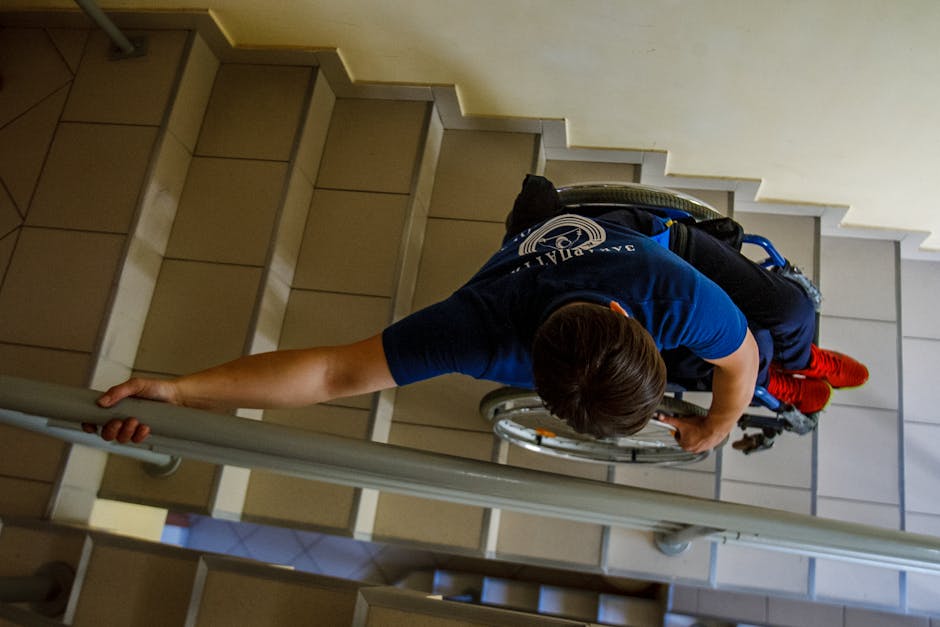
Case Study or Real-World Example
A typical Leyton maisonette move might involve a first-floor flat with a narrow internal staircase, a compact lift at the block entrance, and a sofa that technically fits the dimensions but only if it is angled just right. A family has packed most items in good time, but the wardrobes are still assembled and the bed base is one rigid piece.
The move starts badly when someone tries to carry the wardrobe without measuring the landing. It catches the corner, the wall panel scuffs, and everyone has that awkward pause. Nothing dramatic, but enough to show the risk. The smarter reset is simple: stop, remove the doors, unscrew the frame, wrap the edges, and use two people on the lower section plus one guide on the turn.
That shift in approach changes everything. The lift stays undamaged because the corners are padded. The stair rail stays clean because the sofa is carried higher and steadier, not dragged. The job still takes effort, but it becomes controlled effort. That is the difference between a move you remember for the wrong reason and one you barely think about afterwards.
For a move like this, it often helps to combine route planning with packing guidance from a practical moving checklist for Leyton flats and timing advice from the best times to move nearby. A calm time slot can make access easier and reduce pressure in communal areas.
Practical Checklist
Use this before moving day. Simple, but effective.
- Measure the widest furniture and the narrowest route points.
- Confirm whether the lift can take bulky items safely.
- Protect stair corners, lift interiors, and floor edges.
- Clear shoes, mats, bins, and loose items from the route.
- Disassemble large furniture where possible.
- Label screws, bolts, and fittings clearly.
- Assign a lead person to guide each item through the building.
- Keep hands clear of pinch points and lift doors.
- Move one awkward item at a time.
- Check for scuffs, debris, or damage after the move.
- Keep a small tool kit, tape, and spare cloths nearby.
- Tell neighbours or building management if the access route will be busy.
If you are still reducing clutter at the last minute, the guide on cleaning and clearing before moving out can help you stay organised while you prepare the space.
Conclusion
Avoiding stair and lift damage in Leyton maisonette moves is not about being overly cautious. It is about respecting the layout, protecting shared space, and moving with a bit more patience than panic. That is usually what saves the day. Careful measuring, proper padding, sensible lifting, and a clear plan will prevent most problems before they start.
If your move includes large furniture, tight turns, or a communal lift, a little preparation pays off in a big way. And if the job feels bigger than the room you have, that is not failure. It is good judgement.
Get a free quote today and see how much you can save.
One last thought: the best moves are rarely the loudest ones. They are the calm, tidy, slightly boring ones that end with the stairwell looking exactly as it did before you arrived.