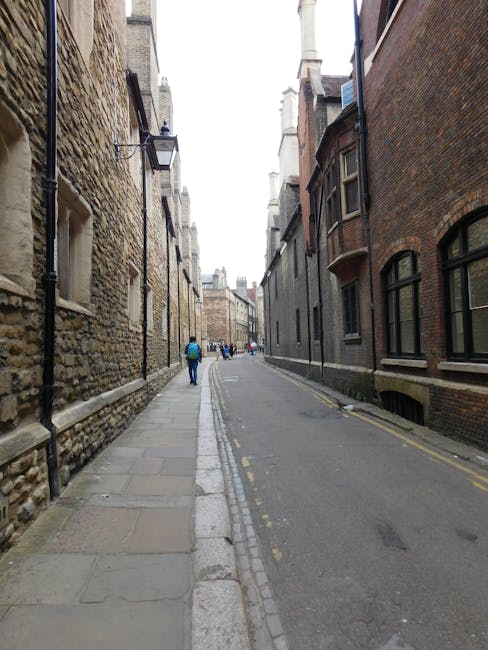
Navigating narrow streets on Cann Hall Estate moves
Posted on 06/05/2026
Navigating Narrow Streets on Cann Hall Estate Moves: A Practical Local Guide
Moving home is rarely simple, and narrow streets can turn an ordinary day into a bit of a puzzle. On Cann Hall Estate, that puzzle often includes tight turning circles, parked cars, awkward loading spots, and the usual pressure of keeping everything on schedule. If you are navigating narrow streets on Cann Hall Estate moves, the difference between a smooth move and a stressful one usually comes down to planning, timing, and using the right size vehicle.
This guide breaks down what actually matters on the day, how a move through narrow streets works in practice, and how to avoid the small mistakes that cause big delays. It also covers useful prep, safety considerations, and when a smaller, more flexible approach is better than trying to force a larger van into a space that simply does not want it. Truth be told, that happens more often than people expect.
Whether you are moving from a flat, a house, or a student property, the aim is the same: protect your belongings, keep neighbours happy, and get everything done without that horrible last-minute scramble.
Why Navigating Narrow Streets on Cann Hall Estate Moves Matters
Narrow streets change the whole moving experience. A route that looks fine on a map can become awkward once a van is involved, especially if the road has parked cars on both sides, limited passing space, or corners that need careful positioning. On Cann Hall Estate, this matters because access is not just a convenience issue; it can affect timing, safety, costs, and how much lifting has to happen.
If the vehicle cannot park close to the front door, every box becomes a longer carry. That adds strain, increases the chance of bumps and scrapes, and can make fragile items more vulnerable. It also means the job takes longer. And, well, nobody wants to be wheeling a wardrobe halfway down the street while a neighbour is trying to get past in their hatchback.
There is also the social side. Residential streets need a bit of courtesy. A careful approach helps avoid blocking driveways, creating stress for other road users, or making the move feel like an obstacle course. In local moving work, reputation often comes from these small details.
For anyone comparing services, this is where it helps to look beyond basic transport. A provider offering man and van support in Cann Hall or a more complete range of removal services in Cann Hall is usually better placed to handle access constraints than a one-size-fits-all setup.
How Navigating Narrow Streets on Cann Hall Estate Moves Works
In practical terms, the move works by reducing friction before the van even arrives. That means checking access, choosing the right vehicle, planning the loading order, and deciding how close the van can safely get to the property. The smaller the gap between planning and reality, the smoother the move tends to be.
Most successful narrow-street moves follow a simple pattern:
- Assess the street, the entrance, and any obvious obstructions.
- Choose a van size that fits the road and the load.
- Pack items in a way that allows quick loading and unloading.
- Reserve space for the van if possible, or time arrival around local traffic.
- Carry items in stages if direct access is limited.
That may sound straightforward, but the details matter. A bed frame that can be dismantled ahead of time is much easier to move through a tight walkway than a fully assembled one. The same goes for bulky sofas, white goods, or awkward furniture with no obvious handholds. If you need more detailed packing guidance, the article on wise packing techniques for a trouble-free house move is a useful companion read.
One thing people underestimate is the turning and reversing space around the vehicle. A van that fits a road in theory may still be difficult to manoeuvre if cars are parked tightly or if the road narrows at one end. This is where experienced local movers usually save time: they know when to stop trying to force a big vehicle into a bad position. Sometimes smaller is smarter. Not glamorous, but true.
Key Benefits and Practical Advantages
Handling narrow streets properly is not just about avoiding inconvenience. It has real practical benefits that improve the whole move from start to finish.
- Less lifting distance: parking close to the property reduces carrying time and physical strain.
- Lower damage risk: shorter carries mean fewer chances for dropped items, scuffed walls, or broken corners.
- Better time control: less time spent walking items back and forth keeps the schedule steadier.
- Reduced stress: clear planning removes that frantic feeling when a van arrives and nowhere obvious works.
- Improved neighbour relations: a well-managed move is less disruptive on a busy estate road.
There is another benefit that often gets missed: it makes decision-making easier. If you know the road is tight, you can decide in advance whether to use a smaller van, split the move into loads, or book a service that is more suited to access challenges. That saves the dreaded "we'll figure it out on the day" approach. That rarely ends well, to be fair.
For heavier or oddly shaped items, good access planning also complements safer lifting technique. If you want a refresher, see the principles of kinetic lifting and practical advice for lifting heavy objects. Those guides fit nicely with narrow-street moving because they focus on reducing effort and avoiding strain.
Who This Is For and When It Makes Sense
This approach makes sense for anyone moving on or near Cann Hall Estate where road access is limited, but it is especially useful for:
- People moving from upper-floor flats or maisonettes
- Households with larger furniture or fragile belongings
- Students moving on tight timelines
- Office or small business relocations with delivery-style access issues
- Anyone booking a same-day move where speed and flexibility matter
If your move involves a lot of furniture, it is worth looking at furniture removals in Cann Hall because that kind of service is usually better matched to the challenge than a basic transport-only option. For tighter flat access, flat removals in Cann Hall can be especially relevant.
Students, in particular, often underestimate how quickly a move becomes awkward when parking is limited and the lift is busy or there is no lift at all. If that sounds familiar, student removals in Cann Hall may be the more sensible route.
And if you are dealing with a more urgent changeover, same-day removals in Cann Hall can be a practical fallback, provided the access is discussed clearly before anything is booked.
Step-by-Step Guidance
Here is a practical way to manage a move through narrow streets without making it harder than it needs to be.
1. Walk the route before moving day
Check where the van could stop, whether there are parked cars that regularly block the road, and whether there are turns that would be awkward for a larger vehicle. Even a short walk at the right time of day can reveal a lot.
2. Measure the largest awkward items
Do not just think in terms of box count. Measure sofas, wardrobes, mattresses, and white goods. If you are moving large furniture, this helps you decide whether items need dismantling first. For beds and mattresses specifically, the guide on moving a bed and mattress safely is worth a look.
3. Reduce volume before the move
Every item you remove saves carrying time and reduces the number of trips through a narrow street. A clear-out can make a surprising difference. If you need help getting started, see how to declutter before moving.
4. Choose the right van size
A smaller van may be better if the street is difficult to access. Yes, it might mean a second trip. But that can still be quicker and safer than trying to squeeze a too-large vehicle into a poor parking position.
5. Pack with the exit in mind
Put the most useful items near the door and label boxes clearly. Heavy boxes should be kept manageable. Fragile items need to be easy to identify at a glance. If you want to go deeper on this part, our packing tips article is a practical reference.
6. Load in the right order
Place heavier items first and keep essentials accessible. If access is tight, loading in the wrong order creates extra shifting, which wastes time and risks damage. You do not want to repack a van in the middle of a narrow road. Nobody does.
7. Keep the carry path clear
Move bins, mats, loose planters, and anything else that might trip someone. If you have children, pets, or multiple helpers, make sure everyone knows where to stand and where not to stand. A narrow street needs a narrow, disciplined flow.
8. Allow a buffer for delays
Parking, weather, and neighbour traffic can all affect timing. A small buffer in the schedule is not pessimism; it is realism. A cloudy Tuesday afternoon can feel very different from a calm early-morning move.
Expert Tips for Better Results
A few small habits make a big difference when streets are tight.
- Start early if possible: the earlier the move begins, the easier it is to find workable access.
- Use consistent box sizes: they stack better and move more cleanly through doors and corridors.
- Protect corners and edges: narrow routes are unforgiving for wardrobes, mirrors, and tables.
- Keep essentials separate: documents, chargers, keys, medication, and kettle items should not disappear into the main load.
- Communicate about parking: if a spot becomes available, move quickly but safely.
One of the best local-moving habits is simply staying flexible. If the first plan does not fit the street, change the plan. That is not a failure; it is good site awareness. In our experience, a move gets smoother the moment everyone accepts that narrow streets have the final say sometimes.
If you are worried about fragile or specialist items, it may also be worth reading why piano moves need specialist care or exploring piano removals in Cann Hall for heavier, higher-risk transport jobs.
And if sustainability matters to you, reducing waste before the move and using sensible packing materials can help. You might also find the site's recycling and sustainability information helpful when deciding what to keep, donate, reuse, or dispose of.

Common Mistakes to Avoid
Most narrow-street moving problems are avoidable. The catch is that they tend to look small right until they become annoying.
- Booking a van that is too large: the road may technically be passable, but not comfortably so.
- Assuming parking will sort itself out: it often does not.
- Leaving dismantling until the last minute: that is how moving day turns into furniture surgery.
- Packing heavy boxes too full: they become harder to carry and more likely to split.
- Forgetting the neighbour factor: blocking access for too long creates avoidable friction.
- Not checking insurance and safety cover: this matters especially for items with higher replacement value.
Another one is underestimating fatigue. A move through a narrow street often means more walking, more turning, and more stopping and starting. It adds up. If the day feels longer than expected, that is usually because it is.
For safer moving and clearer expectations, it is worth reviewing insurance and safety information as well as the company's health and safety policy. Those pages help set the tone for what a responsible service should be thinking about before the van even arrives.
Tools, Resources and Recommendations
You do not need a warehouse full of specialist kit, but the right basic tools make narrow-street moves much easier.
| Tool or Resource | Why It Helps | Best For |
|---|---|---|
| Furniture blankets | Protects items from bumps and scuffs during short carries | Sofas, tables, wardrobes |
| Ratchet straps or tie-downs | Stops shifting in the van on repeated short journeys | Mixed loads and awkward items |
| Dolly or sack truck | Reduces manual carrying where the pavement allows | Boxes, appliances, heavier furniture |
| Labelled packing boxes | Speeds up sorting and reduces confusion at the doorstep | Everyday household goods |
| Mattress covers | Helps keep fabric clean in busy loading conditions | Beds and mattresses |
Good packing supplies matter more than people think. If you are still gathering materials, take a look at packing and boxes in Cann Hall. It is a simple step, but it can save a lot of hassle later.
If you need short-term storage because the street access limits how quickly everything can be shifted, storage in Cann Hall may be worth considering. That can help if you are moving in stages or waiting for another property to be ready.
For a broader service view, the services overview is a useful starting point, especially if you are comparing options and want to understand which type of support fits your move best.
Law, Compliance, Standards, or Best Practice
For most household moves, the biggest compliance concerns are practical rather than legal drama. In plain English: use safe loading methods, avoid causing obstruction, and make sure the service you book handles your belongings responsibly.
That means a few things:
- Do not block emergency access or neighbour driveways for longer than necessary.
- Use proper lifting practices and ask for help with bulky or heavy items.
- Check what is covered under insurance before the move starts.
- Make sure any payment process feels secure and transparent.
- Read the booking terms so you understand timing, cancellation, and service expectations.
Best practice also includes clear communication. If the street is tight, say so early. If there is no nearby parking, mention it. If you have a piano, freezer, or unusually large sofa, do not tuck that information away and hope for the best. The more honest the pre-move picture, the safer the day tends to be.
Relevant support pages such as payment and security, terms and conditions, and the accessibility statement can also help set realistic expectations around service, access, and customer experience.
Options, Methods, or Comparison Table
When access is tight, there is no single perfect method. The right choice depends on the street, the load, and how much time you have. Here is a simple comparison.
| Approach | Best For | Pros | Trade-Offs |
|---|---|---|---|
| Large van, one trip | Easy-access properties with plenty of space | Fewer journeys, faster if the road allows it | Risky on narrow streets, harder to park |
| Smaller van, multiple trips | Tight roads and limited parking | More flexible, easier to position | Can take longer overall |
| Mixed approach with staged loading | Busy estates, flats, awkward items | Balances speed and access | Needs careful coordination |
| Professional removal team with access planning | Heavier loads or complex moves | Better planning, safer lifting, less guesswork | May cost more upfront, depending on the job |
For many Cann Hall moves, the mixed approach is the sweet spot. It feels a little less dramatic on the day, which is often exactly what you want. If you are comparing providers, removal companies in Cann Hall can be useful to review, especially where access planning is part of the service rather than an afterthought.
Case Study or Real-World Example
Picture a typical move from a first-floor flat on a narrow residential street near Cann Hall Estate. There are parked cars on one side, the road bends slightly, and the front entrance sits a short walk from the nearest stopping point. Nothing extreme. Just awkward enough to need a plan.
In a situation like that, the best approach is often to break the move into two phases. Small boxes go first, then dismantled furniture, then the larger items once the path is clear. A sofa may need to come out with two people guiding it carefully around a corner, while a mattress is easier if it is protected and handled last so it does not get in the way.
What usually makes the difference is not brute force. It is rhythm. The team keeps one person watching the path, one person handling the load, and one person checking that the van remains in a workable position. That may sound simple, but it prevents a lot of small collisions and confused instructions. And yes, there is always that one box everyone forgets to label.
In this sort of move, a calm approach outperforms a rushed one every time. If the van cannot get as close as hoped, the right answer is usually to adjust the method, not push harder. That is where local knowledge and sensible service planning really show their value.
Practical Checklist
Use this before moving day, especially if the street is tight or parking is limited.
- Confirm the property access and the best loading point.
- Check whether any large furniture needs dismantling.
- Measure the bulkiest items and compare them to doorways and corridors.
- Decide whether a smaller van is more practical than a larger one.
- Keep boxes labelled by room and priority.
- Set aside essentials for the first night.
- Protect delicate furniture with blankets or covers.
- Review insurance, safety, and booking terms before the move.
- Tell the mover about parking difficulties, stairs, or access restrictions.
- Have a backup plan if the road is busier than expected.
Quick takeaway: narrow-street moves work best when the vehicle, the packing, and the loading order are all chosen around access, not just volume.
Conclusion
Navigating narrow streets on Cann Hall Estate moves is mostly about making smart choices early. If you plan for access issues, use the right van size, pack in a way that supports quick loading, and keep safety at the front of your mind, the move becomes far more manageable. It does not have to be perfect. It just has to be prepared.
For many people, the biggest relief comes from knowing there is a clear plan before the first box leaves the hallway. That steadier feeling matters more than people admit. A move on a tight estate street can still be efficient, calm, and even a little satisfying when the pieces are all in the right order.
If you are comparing support options, it helps to review the wider service pages, check the practical advice articles, and choose the setup that matches your street rather than forcing the street to match the plan. That is usually the trick.
Get a free quote today and see how much you can save.