Budget storage options for Cann Hall studio flats
Posted on 18/06/2026

Budget storage options for Cann Hall studio flats: practical, low-cost ways to free up space without the stress
If you live in a Cann Hall studio flat, you probably already know the feeling: one extra suitcase, a winter coat, a box of books, and suddenly the place feels crowded. That is exactly where budget storage options for Cann Hall studio flats can make life easier. Whether you are trying to declutter, bridge a gap between moves, or simply stop the flat from feeling like it is shrinking by the week, the right storage choice can save money, time, and a surprising amount of day-to-day frustration.
In this guide, we will look at low-cost storage ideas that actually work in a small London flat, how they compare, what to watch out for, and how to avoid paying for more space than you really need. We will also keep things grounded in real-life use, because let's face it, storing a few things is simple in theory and a bit messy in practice.
Why budget storage options for Cann Hall studio flats matters
Studio flats are brilliant for simplicity, lower running costs, and easy upkeep. But they can also be unforgiving. There is nowhere to hide a pile of boxes, and one bulky item can dominate the room. In a place like Cann Hall, where many people are balancing work, study, commuting, or a move between rented homes, storage often becomes less about "extra stuff" and more about keeping everyday life calm.
Budget storage matters because it helps you stay flexible. Maybe you are waiting for a bigger flat, maybe you are between tenancies, or maybe you need space for a sofa, seasonal clothes, or spare household items. You might only need storage for a few weeks. Or you may need a longer-term solution that does not swallow half your monthly budget. The key is matching the storage type to the actual problem, not the other way around.
In our experience, people often overestimate how much space they need. A careful declutter and a few smart packing choices can turn a storage headache into something manageable. If you are already sorting through belongings, the advice in this decluttering guide before moving can help you cut down the load before you even book storage.
How budget storage options for Cann Hall studio flats works
At the simplest level, storage means moving items you do not need every day into a secure, separate place. That place might be a self-storage unit, a small local storeaway arrangement, a van-based interim holding solution, or even a carefully planned use of vertical and under-bed space inside the flat itself. The cheapest option is not always the cheapest in the long run, though. If your things get damaged, you have to replace them. That is hardly a bargain.
The basic process usually looks like this:
- List what you want to store.
- Split it into essentials, occasional-use items, and long-term items.
- Measure bulky pieces and estimate box count.
- Compare solutions based on access, security, and price.
- Pack properly so that smaller storage space can be used efficiently.
- Place the right items in the right order, so retrieval later is not a nightmare.
A lot of the savings come from packing well. If your boxes are uneven or fragile items are poorly wrapped, you may end up needing more space than necessary. For practical packing ideas, the article on wise packing techniques for a troublefree house move is well worth a look.
Small flat? Then space planning matters more than ever. A few metres saved here and there can be the difference between a tidy solution and a cluttered mess. Oddly enough, the less space you have, the more disciplined you become. That part is annoying, but useful.
Key benefits and practical advantages
Budget storage is not just about spending less. Done properly, it improves how you live in the flat right now.
- More usable room: You can actually walk around, cook, work, and sleep without constantly stepping over things.
- Lower stress: Fewer items in sight often means a calmer head. Not a miracle cure, but close on busy weeks.
- Better organisation: When storage is planned, you know where seasonal items, spare bedding, or sentimental boxes are kept.
- Flexible moving support: Storage helps if your move-in and move-out dates do not line up neatly.
- Less wear and tear: Items stored properly are less likely to be damaged by daily use, spills, or cramped conditions.
For tenants and students especially, the flexibility can be a real win. If you are moving between smaller homes, a service like student removals in Cann Hall can sit neatly alongside short-term storage planning, especially when you only want to move the essentials right away.
There is also a sustainability angle. Keeping and reusing furniture, boxes, and household goods longer can reduce waste. If that matters to you, it is worth reading about recycling and sustainability practices as part of your wider moving and storage plan.
Who this is for and when it makes sense
This kind of storage is a strong fit for people in a studio flat who are dealing with one of these situations:
- between tenancies and waiting for a new move-in date
- trying to make a studio feel liveable again after collecting too much stuff
- storing seasonal items such as winter coats, duvets, or sports gear
- keeping furniture safe while redecorating or replacing flooring
- holding a few bulky items that simply do not suit studio living
- needing a temporary stop-gap during a rapid move or last-minute change of plan
It also makes sense if you work from home in a very small space. A studio that doubles as office, bedroom, and living room can become cluttered fast. And once clutter builds, your productivity can go, well, a bit sideways.
If your storage needs are tied to a relocation rather than just general decluttering, the advice in these tricks to relocate without stressful hassles can help you organise the move so storage does not turn into an extra burden.
Not every situation calls for a rented unit. Sometimes the cheapest answer is simply to remove excess items, sell duplicates, or rearrange what you already own. If large pieces are the issue, furniture removals in Cann Hall may be a more sensible first step than paying to store something you barely use.
Step-by-step guidance
If you want budget storage to work properly, the planning stage matters more than the storage box or unit itself. Here is a practical way to do it.
- Decide what truly needs storage. Be ruthless. If you have not used it in a year and it does not have sentimental or practical value, ask whether it should go at all.
- Group items by size and sensitivity. Books, documents, bedding, electronics, and furniture all need different handling. Heavy items should sit low; delicate items should be wrapped and labelled clearly.
- Measure your largest pieces. The sofa, mattress, or chest of drawers usually sets the size of the solution. If one item is oversized, you may need a different approach. For larger pieces, bed and mattress moving tips can be surprisingly useful because the same packing logic applies in storage too.
- Choose the right storage model. Compare self-storage, short-term van holding, shared space, or in-flat organisation. Do not pay for a high-security locker if you only need a couple of clearly labelled boxes.
- Pack for access. Put things you might need first near the front. Keep a simple inventory list. You will thank yourself later, probably on a wet Tuesday when you need one specific jumper.
- Protect items properly. Use covers, blankets, and strong boxes. A sofa or mattress should not be shoved into a space bare. If you want detailed care advice, long-term sofa storage techniques are especially useful for soft furnishings.
- Review after a month. If something has not been touched, ask whether it needs to stay stored. Budget storage stays budget-friendly only if you keep editing it.
A small but important point: do not store chaos. Store decisions. That sounds a bit dramatic, but it is true. A box of mixed cables, old magazines, and spare cookware is how storage becomes a black hole.
Expert tips for better results
Here are the habits that make the biggest difference in a small flat.
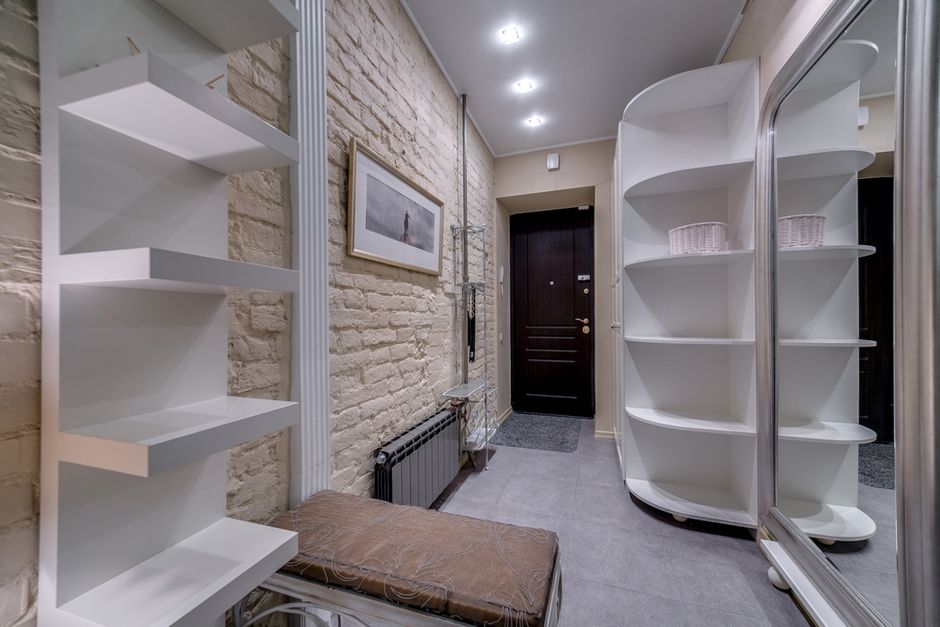
- Use vertical space first. Tall shelving, stackable boxes, and under-bed containers often reduce the need for external storage altogether.
- Choose uniform box sizes where possible. They stack better and waste less space. Mixed box shapes can be annoying to organise.
- Keep a simple inventory. A handwritten list is fine. Fancy apps are optional. The point is to know what is where.
- Label by room and priority. "Kitchen - winter" is far more helpful than "miscellaneous box 3".
- Wrap soft furniture properly. If you are storing a sofa or armchair, breathable covers are usually preferable to wrapping everything too tightly in plastic for long periods.
- Avoid storing damp items. A slightly wet coat or blanket can create smells and damage quickly. In a small storage area, one damp item can spoil the rest. It happens faster than people expect.
- Take the stairs and access seriously. In Cann Hall flats, tight corridors and awkward turns can make moving items tricky. For heavy lifting situations, the guidance in the principles of kinetic lifting is a helpful safety reminder.
If you are shifting awkward objects into storage, you may also want to read how to lift heavy objects on your own. It is not a licence to do everything solo, of course. Sometimes the smart move is to get help.
And yes, the least glamorous tip is often the best one: throw less in there to begin with.
Common mistakes to avoid
Most storage mistakes in studio flats are not dramatic. They are small, practical slip-ups that add up.
- Paying for too much space: People often rent a bigger unit than they need because they do not measure properly.
- Storing without sorting: If you send everything to storage without clearing out duplicates, the problem just moves location.
- Packing fragile items badly: A poorly packed box of crockery or glassware can turn a cheap storage decision into an expensive replacement job.
- Ignoring access needs: If you will need the item regularly, do not bury it at the back of a deep unit.
- Forgetting building access rules: Some flats and managed properties have restrictions around loading, parking, or moving times. A quick check before moving day saves hassle.
- Leaving things unlabelled: This one is common and deeply irritating later. You open box after box and think, why did I even pack this?
There is another common issue in Cann Hall and nearby parts of East London: awkward access, narrow streets, and time pressure. If that sounds familiar, the article on navigating narrow streets on Cann Hall estate moves is a useful companion read.
For anyone planning a move-out alongside storage, a little preparation goes a long way. A clean, organised flat makes it easier to judge what is worth keeping, and smart cleaning techniques for moving out can help you finish with less chaos.
Tools, resources and recommendations
You do not need a lot of equipment, but a few basics make storage much easier:
- strong cardboard boxes in a few consistent sizes
- heavy-duty tape and a marker pen
- dust sheets or furniture covers
- bubble wrap or paper for fragile items
- under-bed tubs or stackable containers
- a simple notebook or phone note for the inventory
- ratchet straps or ties if items need bundling during transport
When choosing a storage provider or moving support, look for clear pricing, reasonable access terms, and a practical approach to handling furniture. You want the actual use case covered, not just a glossy sales pitch. If you are comparing moving help as part of the process, the overview pages for services overview and pricing and quotes can help you understand the broader service structure before you decide what to book.
If you are storing items while transporting them between homes, a local man and van in Cann Hall arrangement may be the most economical way to move smaller loads without paying for a full-scale move you do not need.
For anyone dealing with especially large items, the right handling matters. A quick read on safe piano moving expertise shows why heavier or delicate items need more care than a standard box-and-stack approach.
Law, compliance, standards, and best practice
Storage in a studio flat is usually straightforward, but there are still a few sensible standards to keep in mind. In the UK, tenants generally need to avoid damage to the property, respect lease or tenancy terms, and follow any building rules around access, loading, fire exits, and shared hallways. If you are unsure about your tenancy agreement, read it carefully before storing large furniture or blocking communal areas.
From a best-practice point of view, keep walkways clear, never store combustible clutter near heat sources, and make sure anything heavy is stable. In a small flat, stacked items should not wobble. That is common sense, but common sense is easy to forget when you are rushing.
For moving and storage work, reputable providers should also think about safety, insurance, and careful handling. If you want a sense of the standards that sit behind that, see insurance and safety information and the site's health and safety policy. These are not just formalities; they tell you how seriously a team treats risk, access, and the protection of your belongings.
Payment security and fair terms matter too. Before committing to storage or moving arrangements, it is wise to review payment and security details and the terms and conditions. If you are ever unclear about what is covered, ask before booking. A quick question now is much better than an unhappy surprise later.
Data and privacy are relevant as well if you are sharing access details or personal information. The site's privacy policy and cookie policy are there for a reason. Not thrilling reading, admittedly, but still worth knowing about.
Options, methods, and comparison table
Not every budget storage option suits a studio flat. The best one depends on how often you need the items, how much room they take up, and whether you need easy access.
| Option | Best for | Typical strengths | Possible drawbacks |
|---|---|---|---|
| In-flat storage | Seasonal clothes, documents, small household items | Cheapest, immediate access, no transport needed | Limited capacity, can still feel cluttered |
| Small self-storage unit | Boxes, spare furniture, items not needed every day | Secure, organised, flexible for short or longer terms | Monthly cost, transport needed, easy to over-rent |
| Temporary van holding | Short gaps between move-out and move-in | Good for rapid transitions, less commitment | Not ideal for long-term storage, access can be limited |
| Furniture-only storage | One or two large pieces such as a sofa or bed base | Protects big items without storing everything else | Less useful if you have many smaller items too |
If your main issue is a bulky item that dominates your studio, furniture-only storage or a careful move-and-hold arrangement can be much more sensible than renting a larger general unit. For guidance on larger household items, the bed and mattress moving guide is useful, and so is sofa storage advice if your seating is the main space-hog.
Sometimes the best "storage option" is just a better moving plan. If you are working to a tight deadline, same day removals in Cann Hall may be more helpful than trying to improvise with borrowed cupboards and last-minute boxes.
Case study or real-world example
Here is a simple real-world scenario. A tenant in a Cann Hall studio flat had a sofa, a small desk, two boxes of books, winter clothes, and kitchen bits they barely used. The flat felt crowded from the moment they walked in. Nothing was broken, nothing was excessive, but everything was just a bit too much for the room.
Instead of renting a large storage unit, they sorted the items into three groups:
- Keep in the flat: daily clothes, work laptop, cookware, bedding
- Store short-term: books, winter coat, spare lamps, occasional-use kitchen equipment
- Remove or rehome: duplicate chairs, old cables, unused decor, one worn storage box that had already had its day
They packed the stored items into uniform boxes, wrapped the sofa properly, and kept a clear inventory. The result was not magic, just sensible planning. The room felt bigger. The desk became usable. The sofa stopped acting like a wall-sized obstacle. And, perhaps most importantly, they saved money by not paying for space they did not need.
That is the real lesson here. Cheap storage is not about squeezing every last item into a tiny corner. It is about being honest about what belongs in the flat, what belongs elsewhere, and what can go completely.
If you are in a rush and the move itself is part of the problem, the article on last-minute Cann Hall moves and same-day van solutions may give you a better sense of the practical options available.
Practical checklist
Use this before you pay for any storage solution.
- Have I listed everything I plan to store?
- Have I measured bulky items like sofas, beds, or wardrobes?
- Can anything be sold, donated, or recycled instead?
- Do I need daily access, weekly access, or very little access?
- Have I checked whether the building has loading or access restrictions?
- Have I packed fragile items securely and labelled the boxes?
- Have I protected upholstered furniture from dust and moisture?
- Have I compared the cost of storage against the value of the items?
- Do I know where the most important items are stored?
- Have I reviewed safety, insurance, and terms before agreeing to anything?
One extra practical point: if you are storing items because you are clearing a flat for move-out, keep cleaning separate from packing. A room that is clean and empty is easier to assess honestly. That can save a lot of second-guessing later.
Conclusion
Budget storage options for Cann Hall studio flats are really about making small spaces work better without overspending. The smartest choice is rarely the biggest unit or the fanciest setup. It is the option that matches your actual needs, keeps your belongings safe, and avoids cluttering your flat with more stuff than it can comfortably hold.
For many people, the winning formula is a mix of decluttering, careful packing, and a modest storage arrangement that is easy to access and easy to manage. If you get those three things right, the flat feels lighter, the move feels smoother, and everyday life becomes a lot less cramped. Honestly, that small win can change the whole mood of the place.
Get a free quote today and see how much you can save.
And if you are still deciding, take your time. A good storage choice should make your life simpler, not busier. That is the whole point, really.